News
25-36 of 76 results

The Development of Micropipettes
February 22, 2024
Pipetting tools are laboratory instruments used for measuring and transferring small volumes of solutions. They have a wide range of applications in laboratories across fields such as biology, chemistry,...
News Detail

Understanding the Techniques and Differentiating qPCR from RT-PCR
February 13, 2024
Polymerase Chain Reaction (PCR), also known as PCR amplification, is a technique used to amplify specific DNA fragments, allowing for exponential growth in the number of DNA segments. Before the advent...
News Detail

How to Select Laboratory Pipette Tips
February 5, 2024
If you choose the wrong pipette tip type, the accuracy and precision of even the best-calibrated pipettors can be compromised. Depending on the experiment you are conducting, the wrong type of tip may...
News Detail

The Use and Precautions of Centrifuge Tubes
January 26, 2024
Proper operation of centrifuge tubes by laboratory personnel is crucial for accurate experimental results. Therefore, mastering certain techniques during experimental procedures is essential for the rational...
News Detail
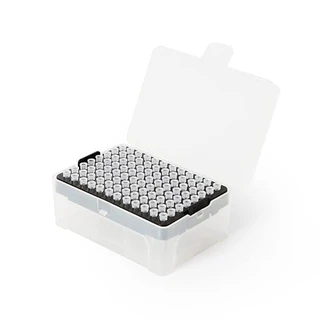
Specific Operations and Considerations When Using Pipette Tip Boxes
January 20, 2024
When using pipette tip boxes, it is essential to follow specific procedures and be mindful of various considerations. Pipette tips are commonly packaged in two forms: bagged and boxed. Bagged tips are...
News Detail
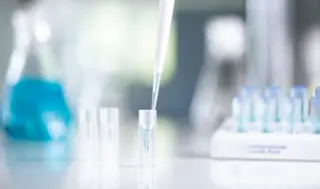
How to Prevent Contamination in Pipetting Operation
January 11, 2024
In pipetting operations, ensuring reliable results is paramount, and preventing contamination is crucial. Identifying potential contamination mechanisms is essential for developing targeted solutions....
News Detail
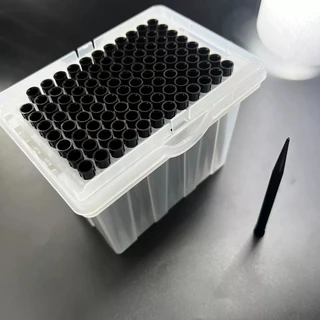
Why Choose a Pipette with a Capacity Close to the Target Volume?
January 6, 2024
When using a pipette to aspirate liquid, it is crucial to choose the appropriate pipette based on the target liquid volume and the pipette's maximum capacity. The guiding principle is to select a...
News Detail

Managing Laboratory Costs Through Efficient Pipetting Practices
December 29, 2023
Effectively controlling liquid handling costs and maintaining the high performance of pipettes pose challenges in any laboratory setting. While regular calibration services safeguard pipettes from inaccuracies...
News Detail
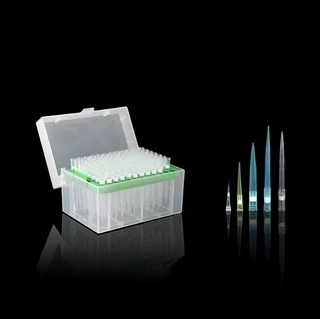
Top Ten Techniques for Effective Pipetting
December 18, 2023
Undoubtedly, pipettes are indispensable tools in the field of biological research, boasting diverse designs tailored to numerous research applications. While many liquid handling guidelines underscore...
News Detail
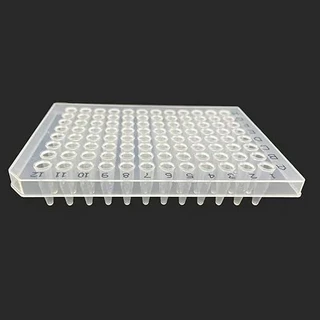
How to Select Various Styles of PCR Plates
December 15, 2023
Today, let's delve into the considerations when selecting reaction plates for PCR consumables. PCR plates typically come in 96-well and 384-well formats, with 24-well and 48-well options as well....
News Detail
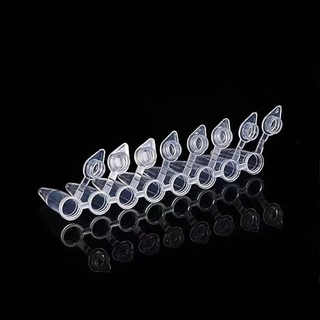
Key Considerations in PCR Experiments
December 6, 2023
Polymerase Chain Reaction (PCR) is a molecular biology technique used to amplify specific DNA segments, resembling a specialized DNA replication process outside living organisms. PCR's major advantage...
News Detail
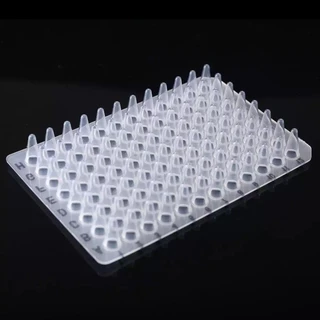
Features and Selection of PCR Consumables
November 28, 2023
PCR consumables, including PCR tubes (EP tubes), 8-tube strips, 96-well PCR plates, and deep well plates, are commonly made from polypropylene (PP) material. They boast high quality, purity, and transparency...
News Detail
Total 76 Records, 12 records per page